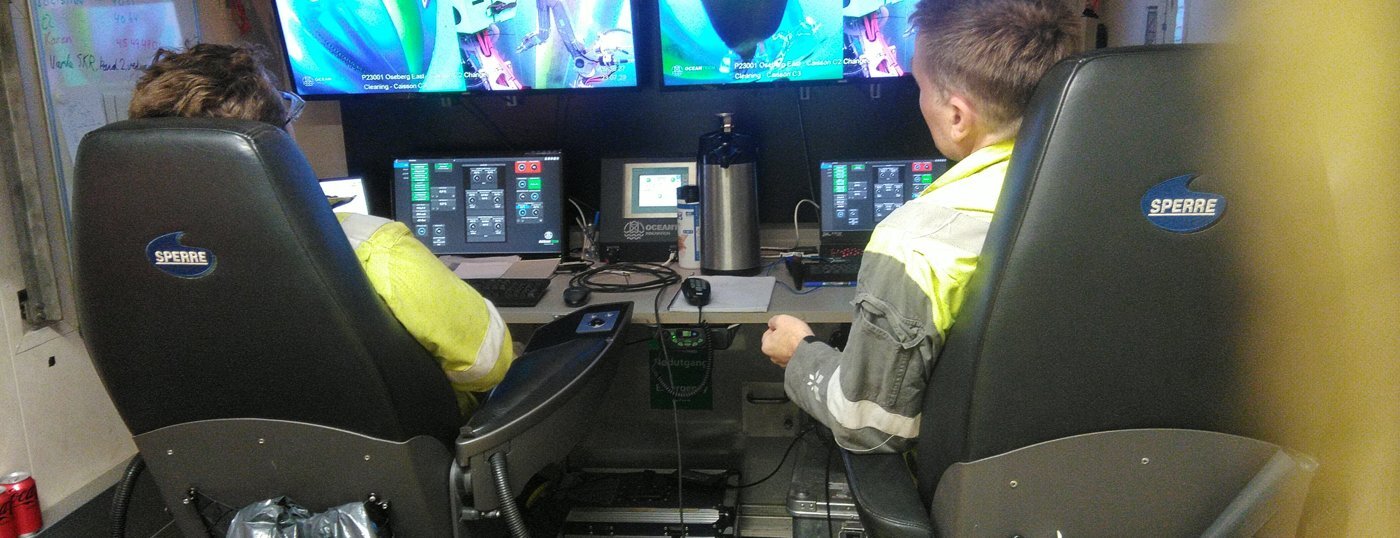
OceanTech was founded in 2017, but several members of the team have spent more than two decades working in the splash zone across inspection, modification and repair projects. Across hundreds of operations, a clear pattern has emerged: the best solutions are developed when operators involve OceanTech early and maintain continuity over time.
Splash zone operations place exceptional demands on engineering, planning and execution. Constant wave action, hydrodynamic forces, marine growth, limited access and strict safety requirements combine to create an environment where uncertainties escalate quickly.
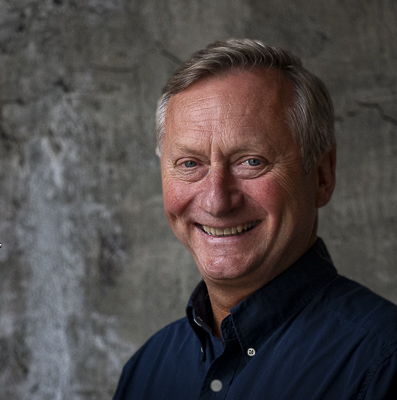
According to OceanTech CEO Bernt Schjetne, this is precisely why early dialogue matters:
“These projects are not straightforward,” he says. “If we are involved early, the tools we design can be fully adapted to the asset and the operator’s needs. If we come in late, we may lose the opportunity to engineer the optimal solution, and the consequences are usually more rework, uncertainty, and a more costly campaign.”
Why early involvement matters
Schjetne explains that the consequences of late involvement are rooted in how precisely splash zone solutions must be engineered. Each tool is designed to fit a specific asset, attach at specific points, follow a defined operational sequence, and deliver predictable results under demanding conditions. When key information arrives late, the engineering team must revise rather than refine.
“Once a design is in motion, even small changes can alter the whole picture,” he says. “We may have to rework calculations, adjust interfaces, or rethink installation methods. That adds complexity at a stage where flexibility is limited.”
Late updates to geometry, coating condition, or required cleaning standard can trigger a cascade of changes. A modification that seems minor on paper may require new modelling, additional testing, or a revised procedure offshore. Each step increases workload and introduces uncertainty into what should be a controlled process.
Read more: How we work to save our clients time and effort
Schjetne notes that operators are well aware of the operational complexity in the splash zone, but the amount of engineering needed to handle that complexity is sometimes underestimated. A detail that could have been incorporated seamlessly early on becomes a constraint once procurement and fabrication are underway.
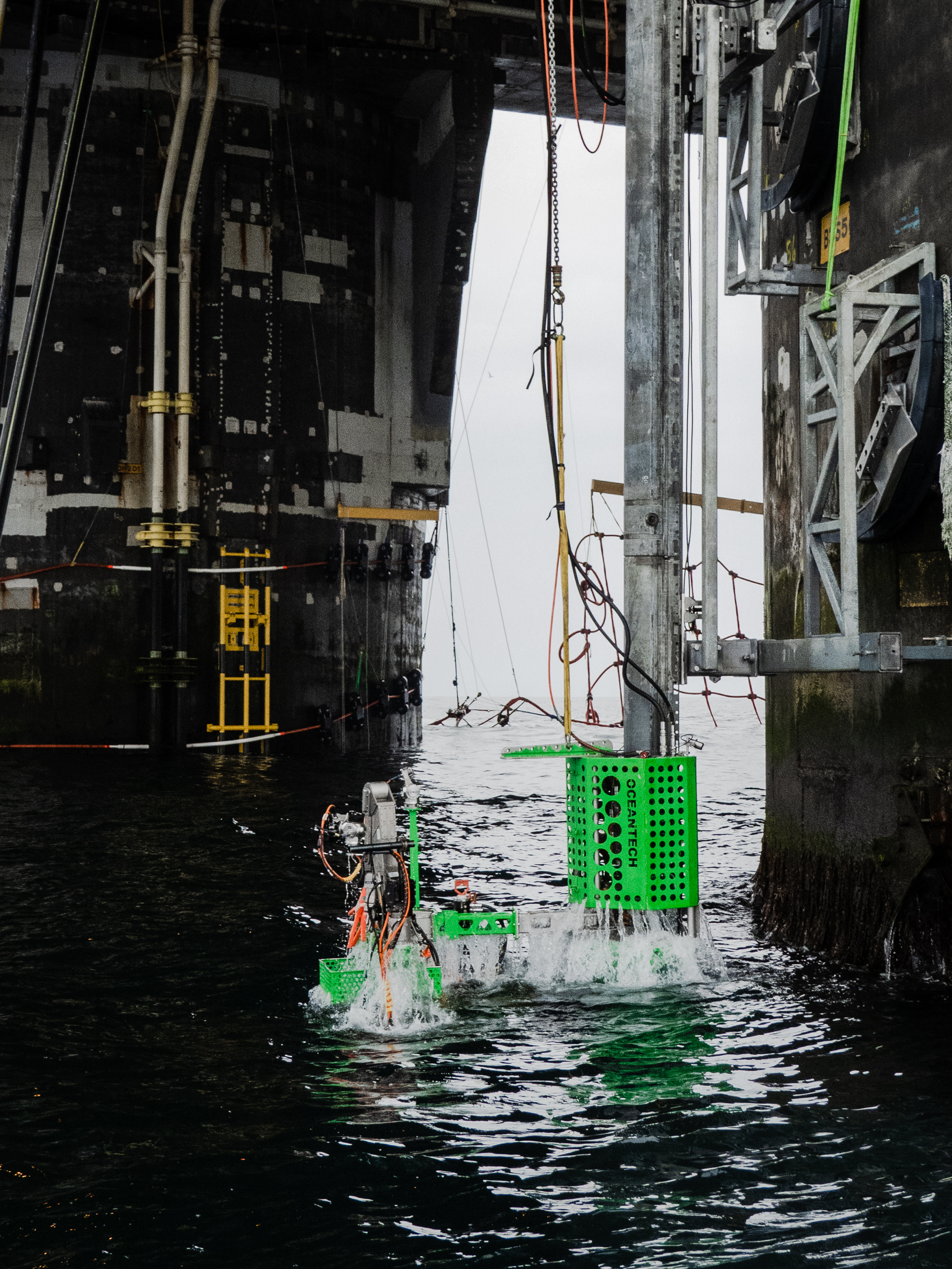
OceanTech’s recent riser protection net (RPN) work for Equinor highlights the difference. OceanTech has completed several RPN studies and replacement projects, and early involvement has consistently enabled smoother progression from engineering to execution.
“When we worked on Heidrun, for example, we could build directly on what had already proved reliable,” Schjetne says. “Instead of redesigning core elements, we focused on improving them. That reduces engineering time and lowers the risk of surprises offshore.”
Early collaboration also strengthens safety and environmental performance. When engineering is based on complete, accurate information, the resulting tool behaves predictably offshore, reducing the need for last-minute adjustments and limiting personnel exposure during execution.
“Predictability is a major benefit,” Schjetne adds. “With early insight, we know exactly how the tool will perform, and the operator knows exactly what to expect. That shared certainty is what keeps projects efficient, safe, and on schedule.”
Long-term collaboration multiplies the benefits
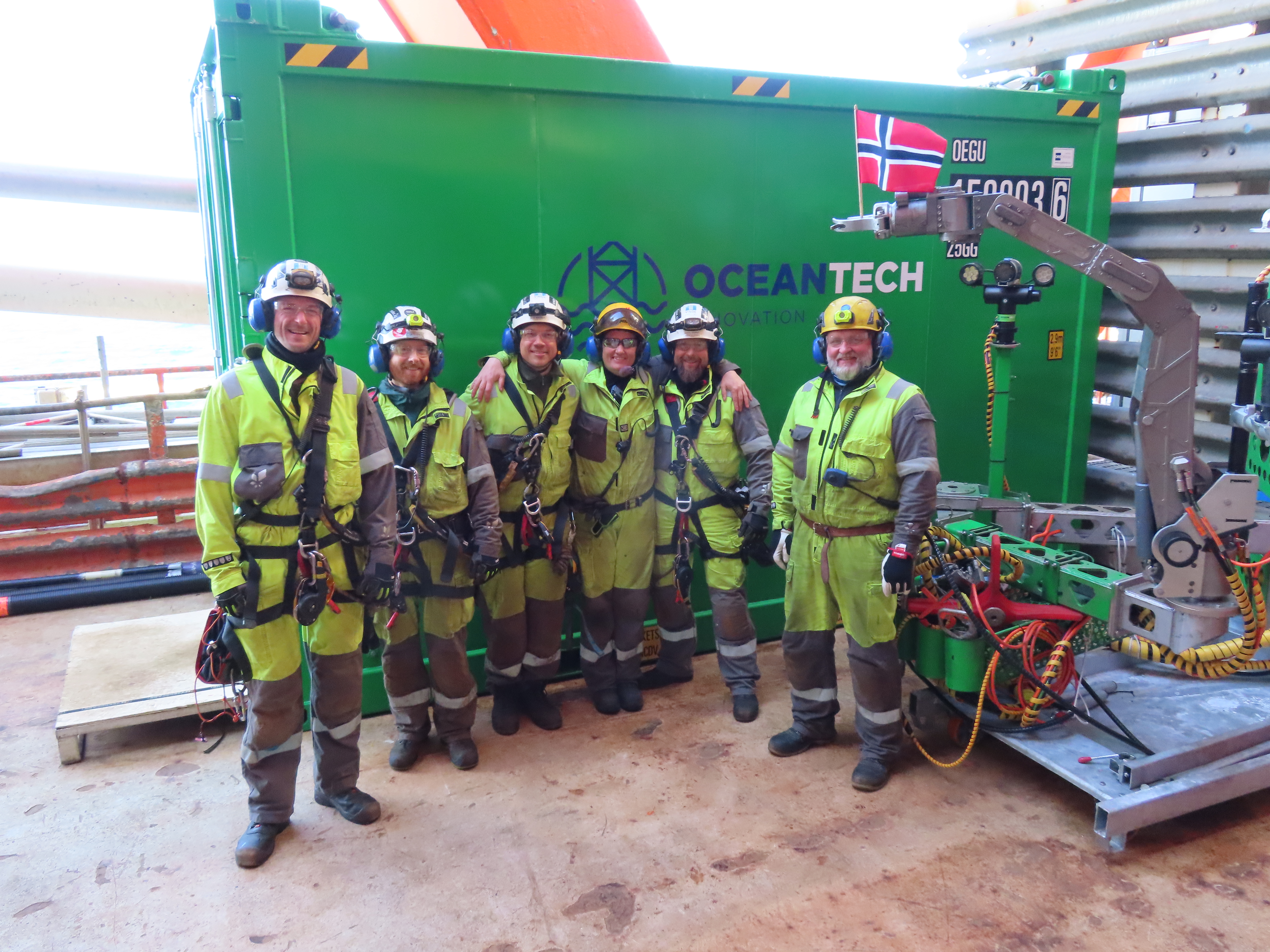
While early involvement improves any project, long-term collaboration multiplies the impact. When OceanTech works with an operator across several campaigns, both teams develop a shared understanding of methods, constraints and expectations. This familiarity shortens the learning curve and enables each new project to progress more efficiently than the last.
“You develop a common language,” Schjetne says. “The operator learns how we think, and we learn what the operator needs. That alignment is what drives real efficiency over time.”
This has been true across many of the most successful splash zone projects, from earlier access and rigging work to today’s more advanced robotic systems. The insight gained through repeated collaboration shapes OceanTech’s engineering approach and allows the company to refine, not reinvent, solutions from one project to the next.
“Whether it was in the early 2000s or in the robotic solutions we build today, the pattern is the same,” Schjetne explains. “Continuity removes uncertainty. It gives us the ability to improve rather than redesign, and that makes the execution phase offshore smoother and safer."
OceanTech’s modular design philosophy reflects this. Although the tools can be adapted to any asset or structure, the full value of modularity is realised when the engineering team understands the operator’s requirements over time.
“Modularity gives us flexibility,” Schjetne says. “But tailoring a system for maximum performance still depends on what we learn from collaboration. The more we know about how the operator works, the more value we can deliver.”
He encourages operators to view long-term engagement not as an added formality but as a strategic way to reduce risk, cost and time in future campaigns.
“The benefits are clear,” he says. “Early involvement gives us the foundation, and long-term collaboration builds the improvements on top of it. Together, they create safer, more predictable and more efficient splash zone operations.”