Since 2001, OceanTech has collaborated with Equinor to push the boundaries of what is possible in the splash zone, developing innovative approaches to problems no one else has taken on.
Equinor’s strategic pillars—always safe, high value, and low carbon—set a clear direction for the company’s future. Safety for people and the communities in which it operates, along with continuous efficiency improvements, remain top priorities. With a firm commitment to becoming a net zero company by 2050, Equinor is taking concrete steps to make its operations cleaner and more sustainable.
These priorities increase the demands placed on offshore maintenance and integrity work. Extending asset life, reducing emissions from maintenance campaigns, and improving safety all require more efficient, low-carbon ways of working—especially in complex environments like the splash zone, where traditional methods are resource-intensive and highly weather-dependent.
As a long-term partner, OceanTech develops and delivers solutions that support these goals by providing safer, more predictable, and greener alternatives for inspection, cleaning, modification, and repair.
Bernt Schjetne, CEO of OceanTech, explains that the very first project delivered for Equinor was a riser repair at the Heidrun platform in 2001. At the time, Schjetne was Offshore Installation Manager at maintenance contractor Reinertsen:
“It was a demanding project—no one had tried anything similar. We had to design a cofferdam that matched the riser geometry and could handle hydrostatic pressure, wave action, and the dynamic loads of the splash zone. Once installed on the riser, it created a dry habitat that allowed us to carry out the repair safely in the water,” Schjetne explains.
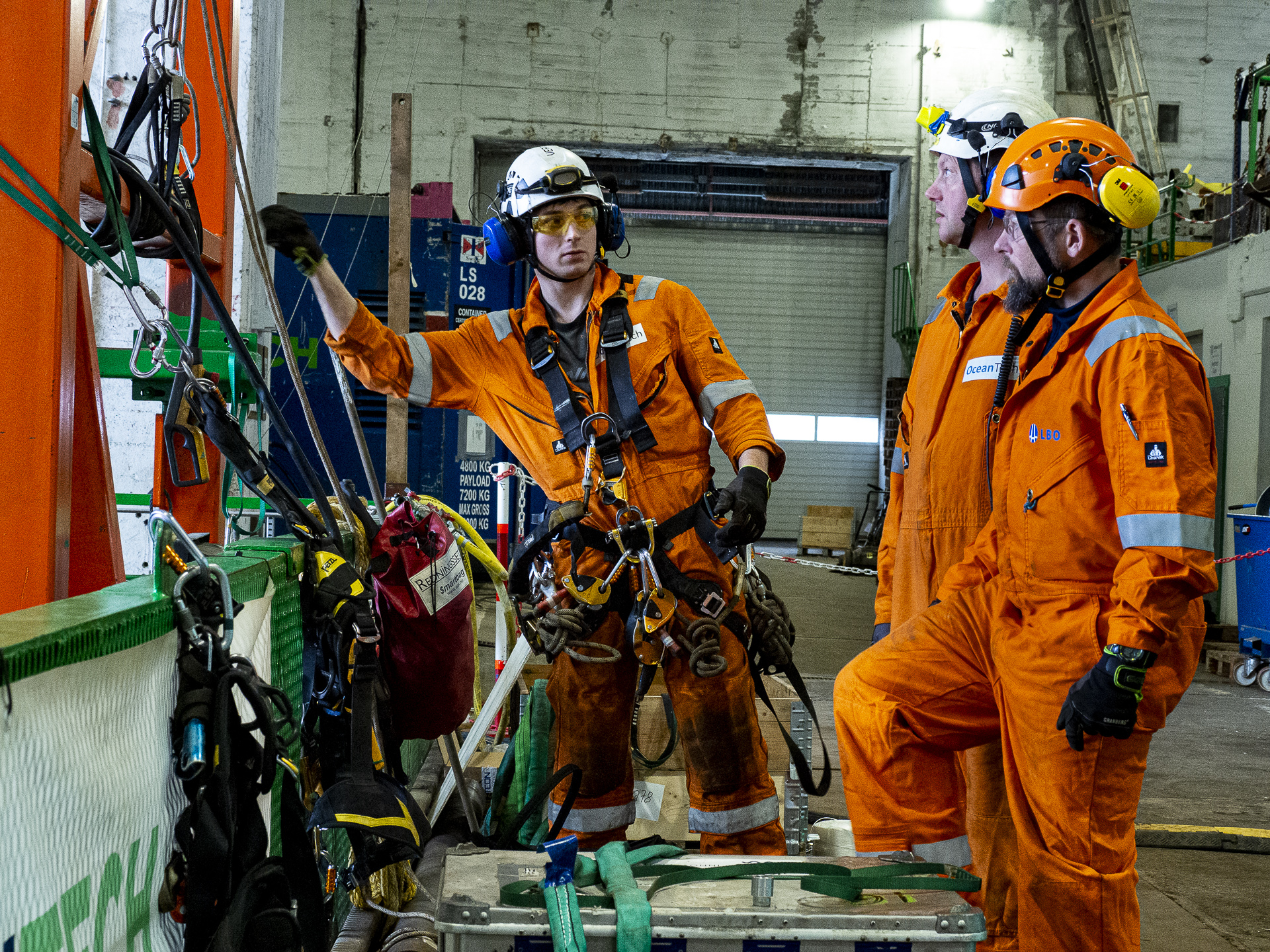
From 2006, Schjetne and the splash zone team at Linjebygg—his next role after Reinertsen—worked with Equinor to develop advanced climbing and rigging techniques.
“We developed an inspection solution for the Kristin platform in 2006, and a cofferdam for hull repair on Norne in 2007. In those early years, the work was far less automated, but over time it progressed towards robotised solutions,” Schjetne explains.
.webp)
From manual methods to robotic innovation
In 2009, Schjetne and his team installed anodes for Equinor on Snorre B at a depth of 12 metres. For this work, the team developed an advanced robot to clean and mount large anode frames in difficult-to-access areas.
“In 2010, we carried out a similar operation on Njord A, designing and installing even larger anode frames behind the fairleads. These were highly advanced projects, both in terms of the rigging required and the development of pioneering robotic technology,” Schjetne says.
OceanTech was established in 2017 through a management buyout of Linjebygg’s splash zone department. The core expertise from that unit—including Schjetne and current OceanTech staff Ståle Karlsen, Kristian Ohr, and Geir Ingar Bjørnsen—formed the foundation of the new company.
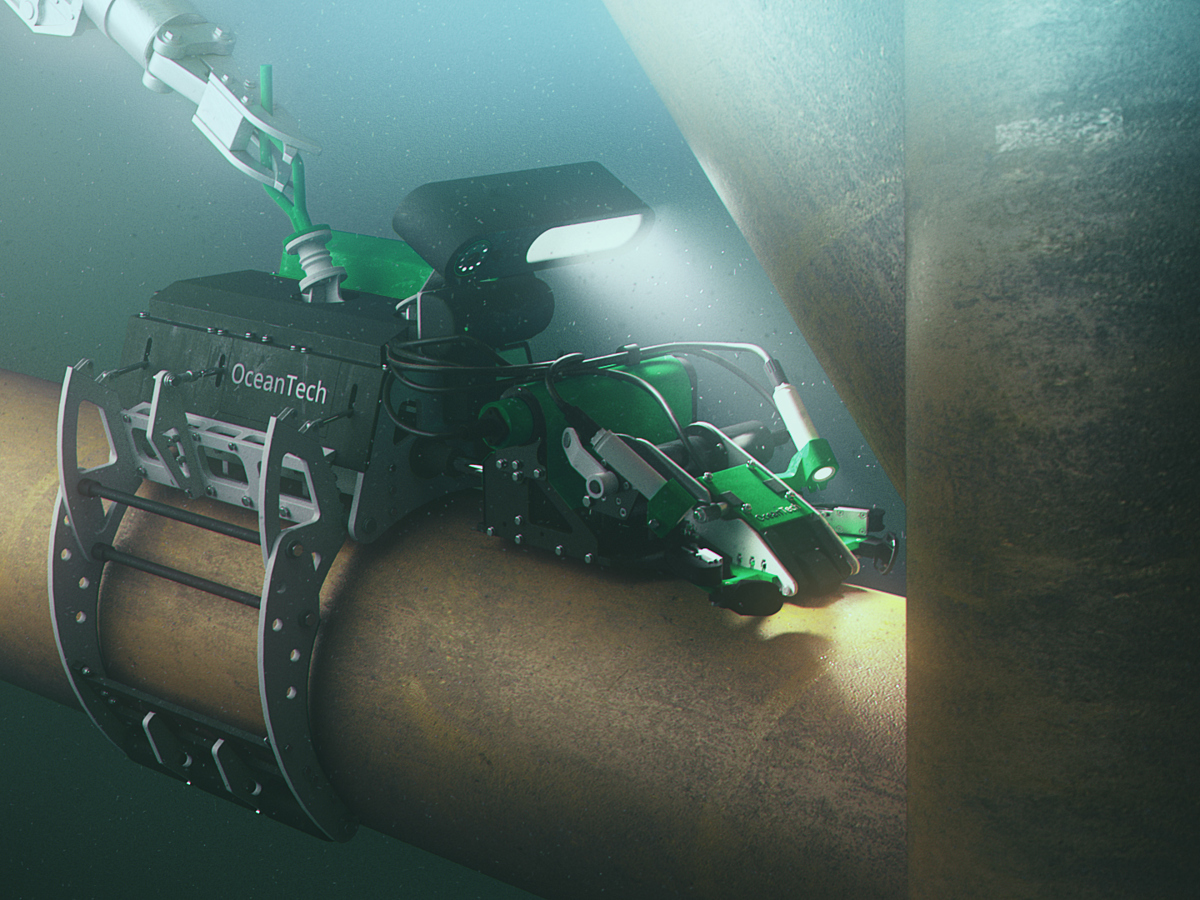
“Since then, we have steadily advanced our capabilities in 3D camera technology, cybernetics, non-destructive testing, and autonomous operations,” Schjetne says.
Read more: New robotic solution enables automated non-destructive weld testing in the splash zone
“One example is our autonomous inspection robot for non-destructive weld testing. It streamlines life-extension work by delivering higher-quality data and allows operators to carry out eddy current inspections in challenging weather conditions,” he adds.
Long-term collaboration essential for success
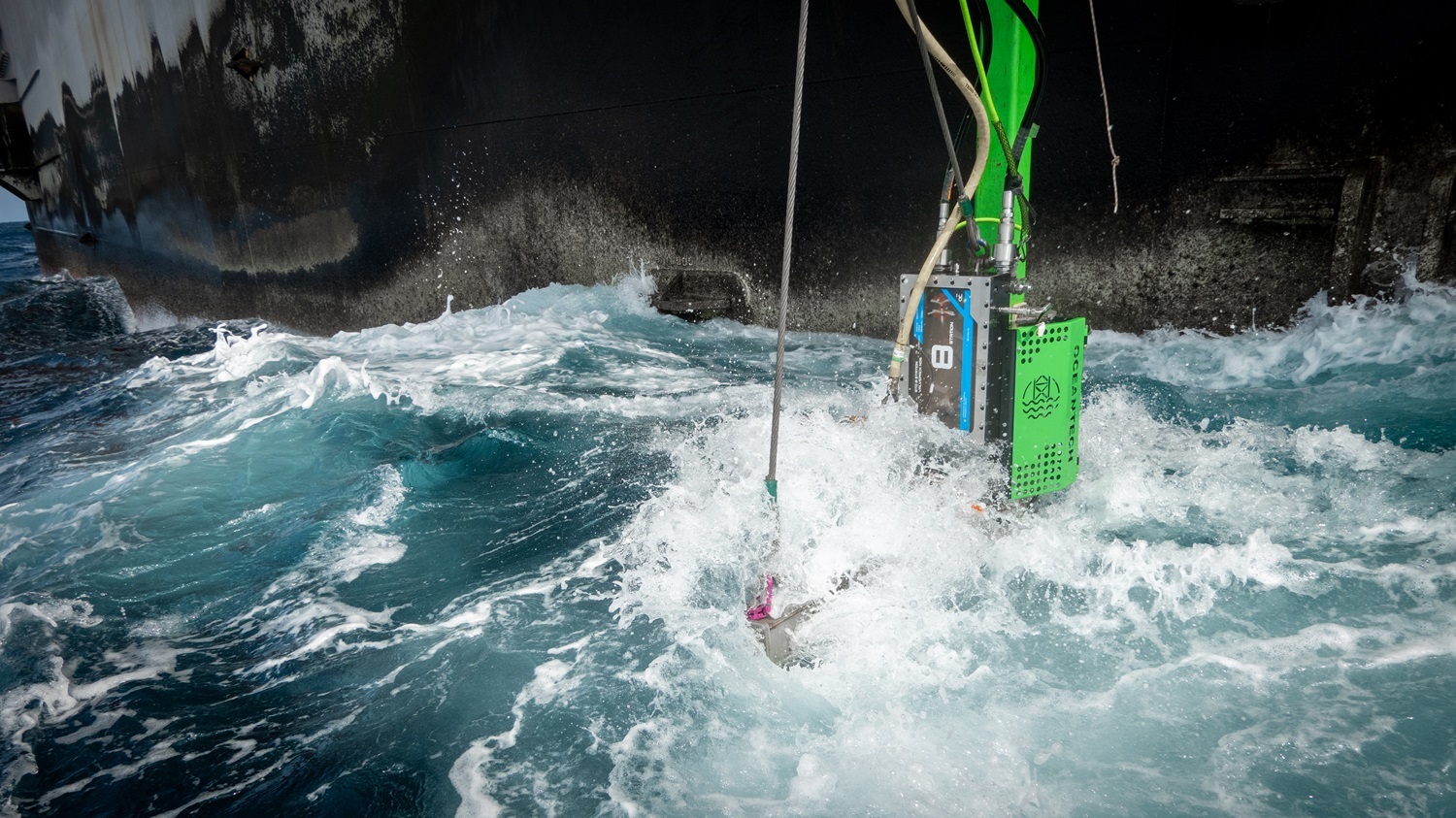
Long-term, proactive development is essential for maintaining continuity in projects and driving technological progress. Over time, it becomes clear which tools and solutions perform best and can be reused. A recent example is the riser protection net replacement project completed at Equinor’s Heidrun platform, Schjetne says.
“In 2019, our team began studies and later the work to replace the riser protection nets on Heidrun—a task completed this year. The project has resulted in expertise and solutions that can be applied again in future projects for Equinor,” he says.
OceanTech has built its capabilities step by step together with Equinor, taking a new leap forward with each project. Continuity has been essential—without it, progress would have stalled.
“Equinor has played a key role in providing both the opportunities and the drive needed for that development,” Schjetne says.
OceanTech is currently developing a new solution for cleaning and inspecting anchor chains in collaboration with Equinor.
“This is a project supported by the Research Council of Norway, and it is a long-term effort. Several prototypes have already been tested offshore, and a new one is now ready for testing early next year. Over the past year, we have also developed and deployed a new riser cleaning tool for Equinor. Long-term thinking and predictability are essential—you have to look ahead. Expensive equipment that is difficult to develop cannot be built on speculation,” Schjetne adds.
“We have completed many successful projects with Equinor, and they have consistently shown strong confidence in us. There is mutual trust and a solid working relationship which works extremely well,” Schjetne concludes.